The Beauty of Indian Textiles
|
Hi, I’m Prisha, the creator of this website. I’ve always been fascinated by the colours, patterns, and stories behind Indian textiles. Every fabric feels like a piece of history filled with tradition, creativity, and cultural beauty. I created this website to share my admiration for Indian textiles and to help others appreciate the artistry behind them. Through this page, I hope you discover how meaningful, unique, and beautiful these fabrics truly are. |
India has been a global center of textile production since ancient times. The Indus Valley Civilization produced cotton as early as 3000 BCE, and India later became famous for its silk, muslin, and block-printed fabrics.
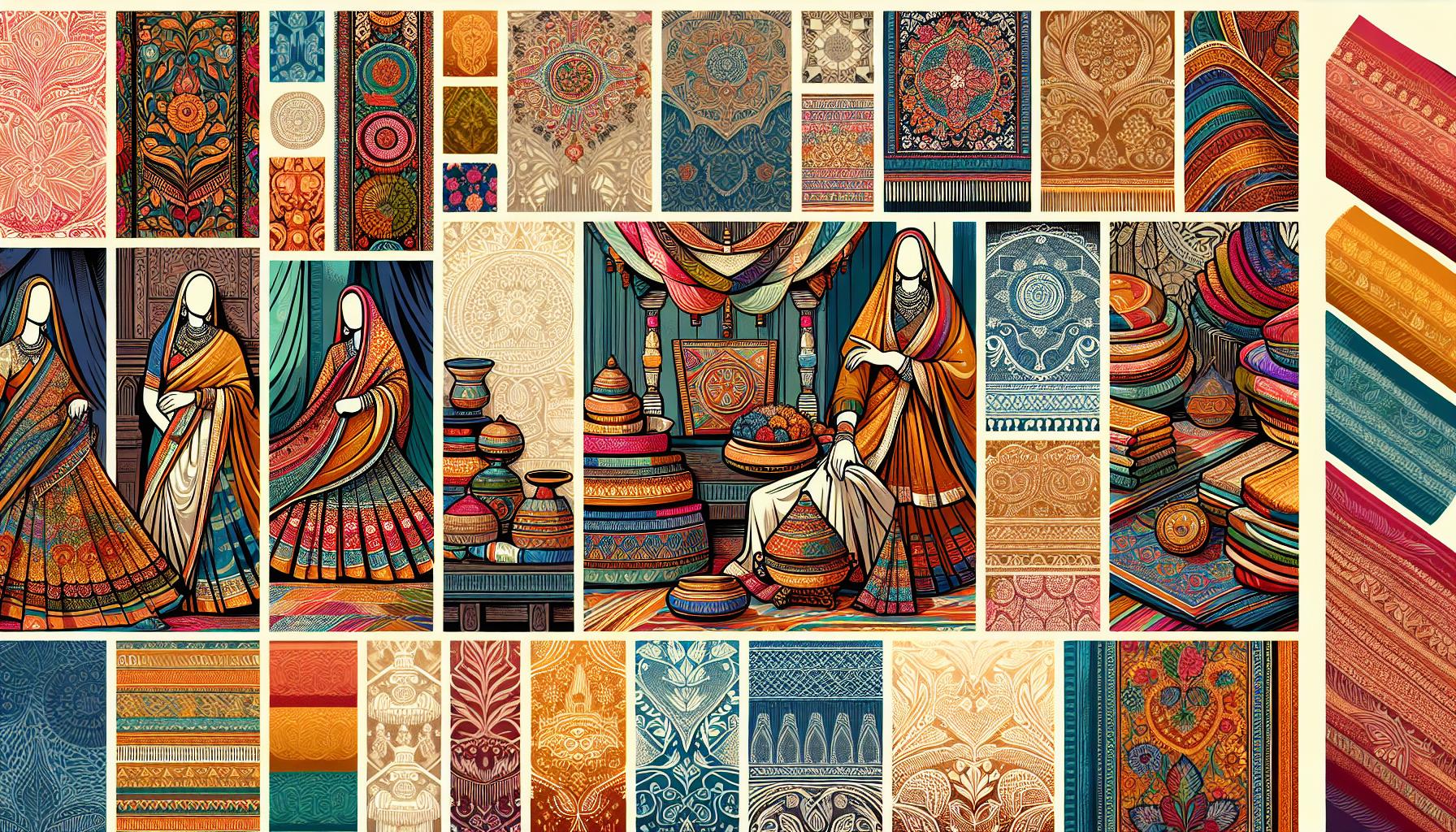
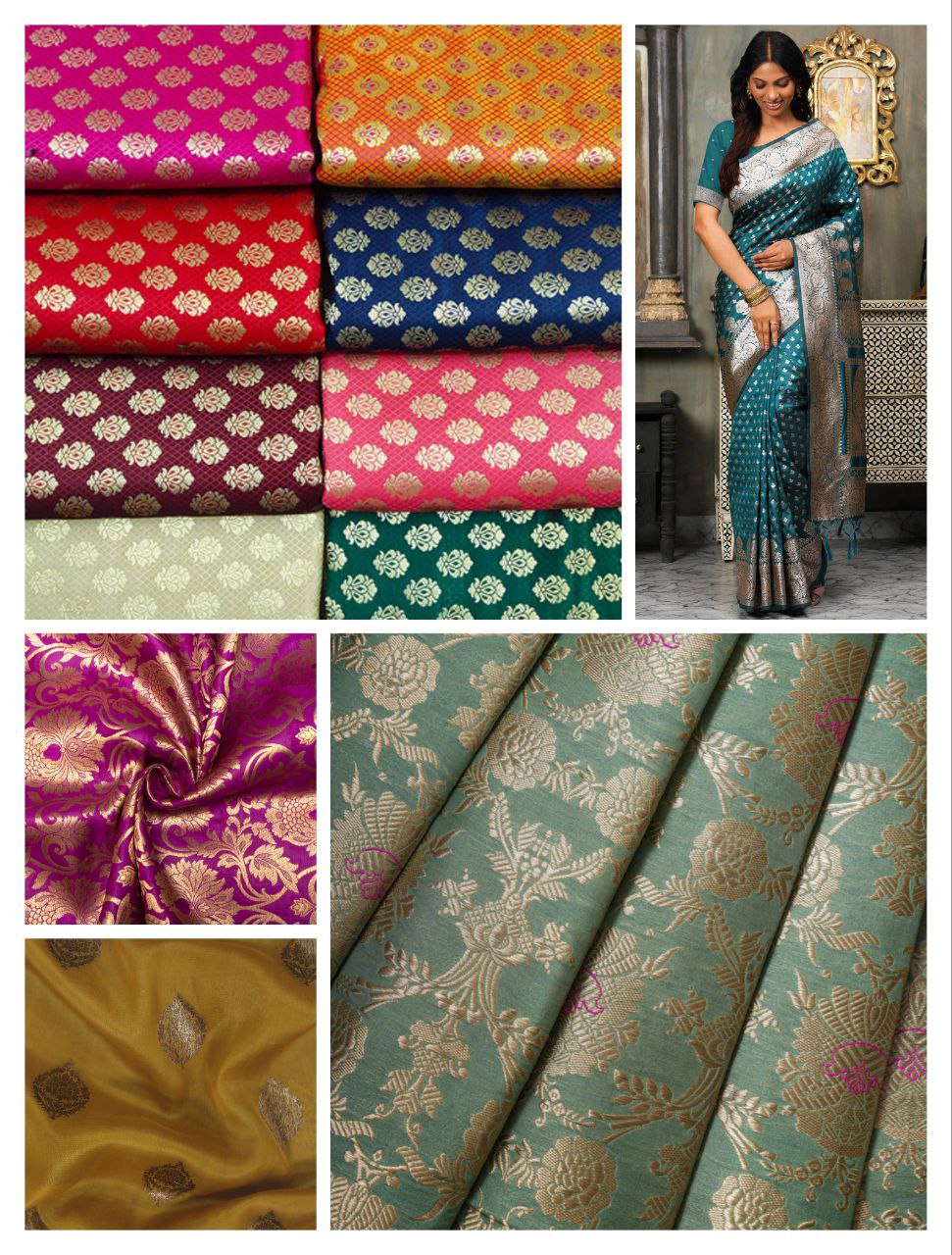
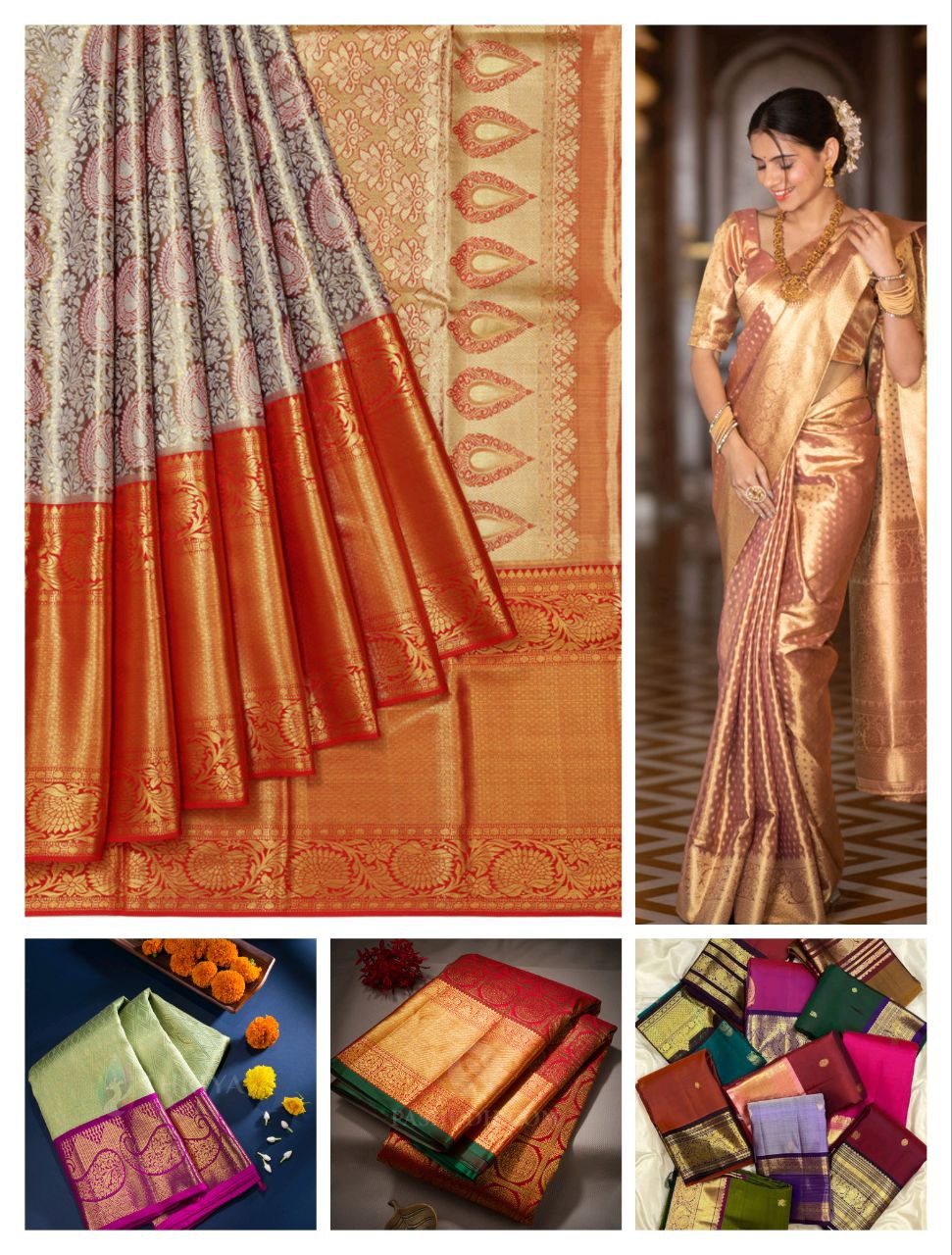
Known for gold and silver zari work, Banarasi silk sarees are among the finest textiles in India.
Woven in Tamil Nadu, this silk is recognized for durability and bold colors.
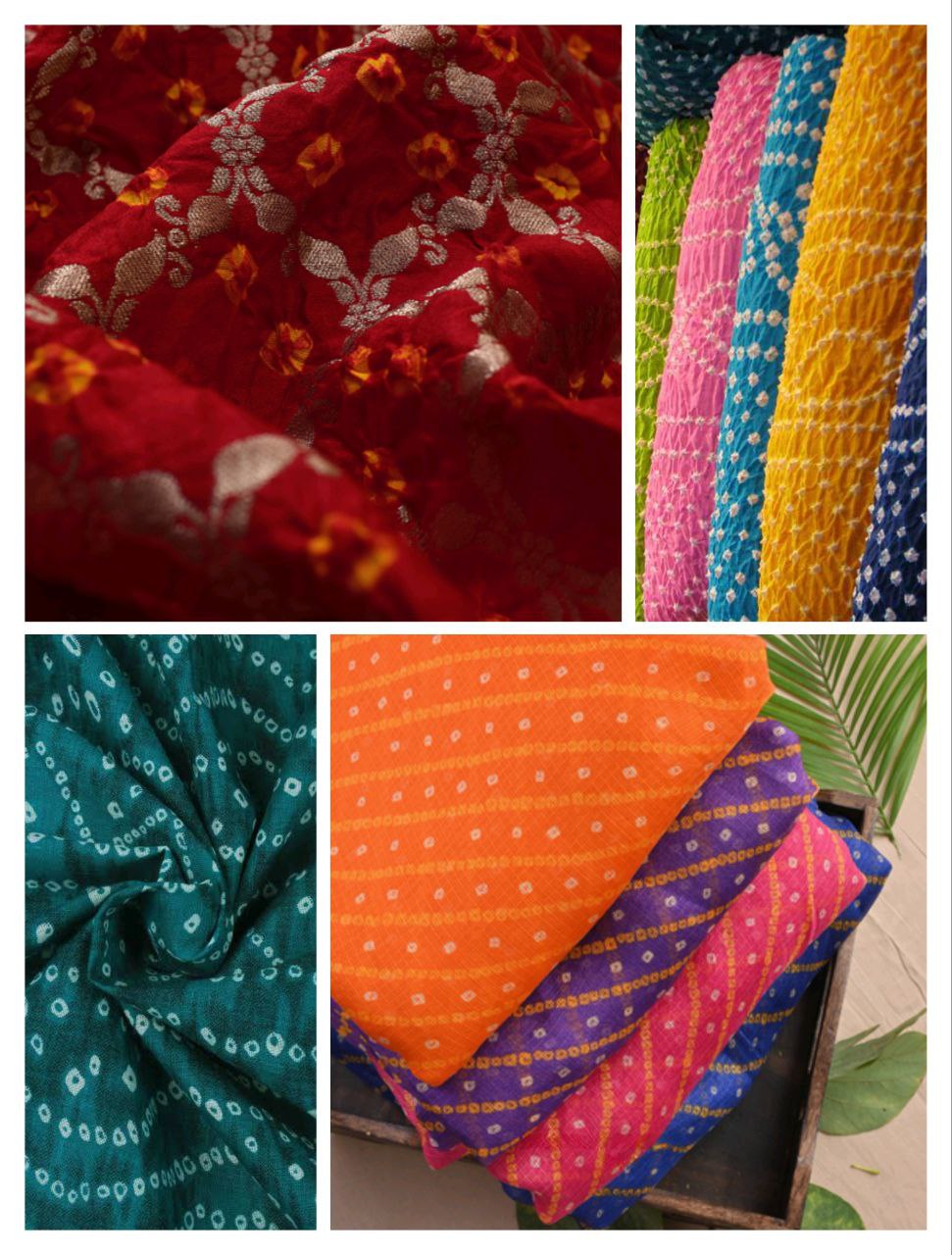
A tie-dye technique famous in Rajasthan and Gujarat, known for vibrant dotted patterns.
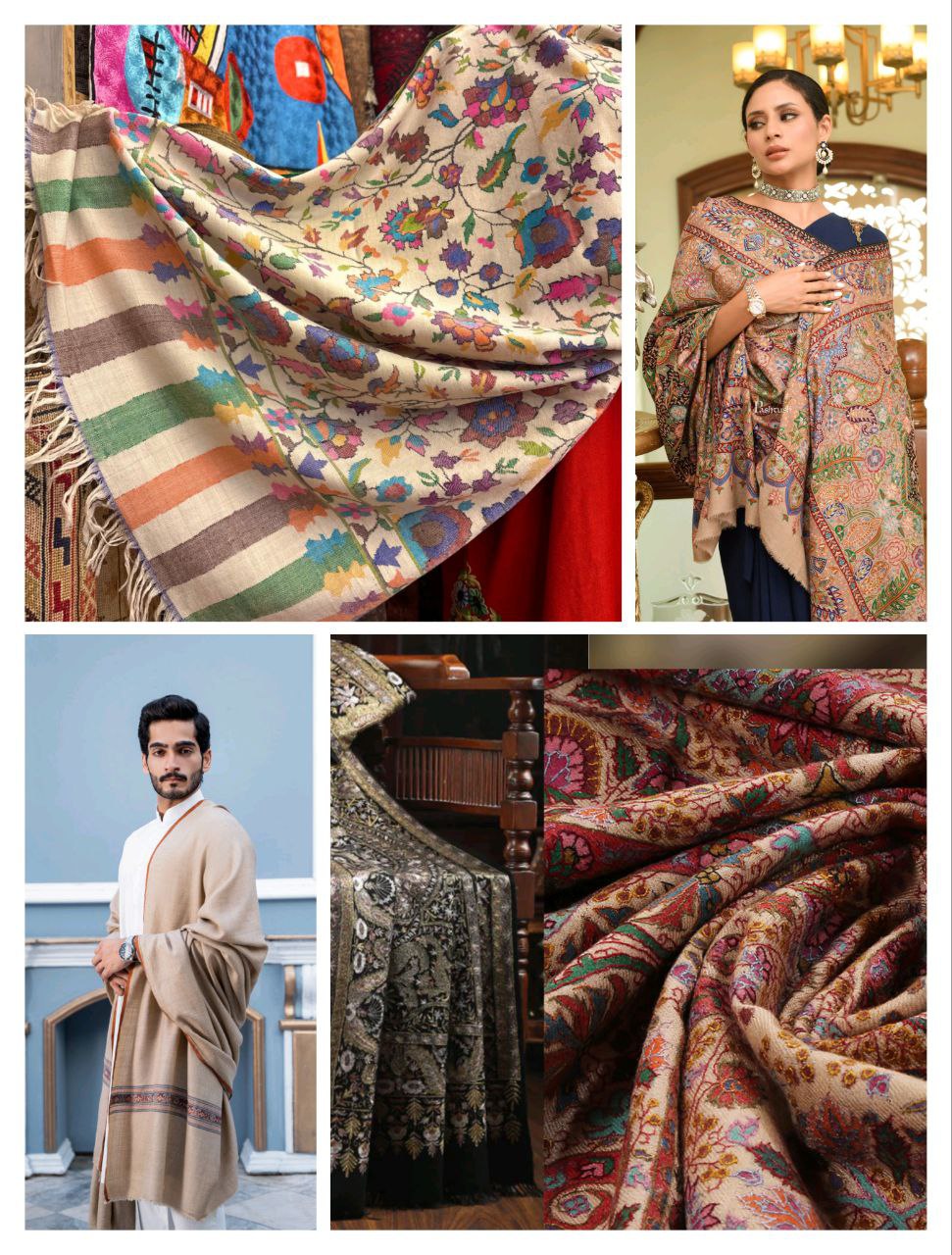
Made from the wool of Himalayan goats, Pashmina shawls are prized for their softness.
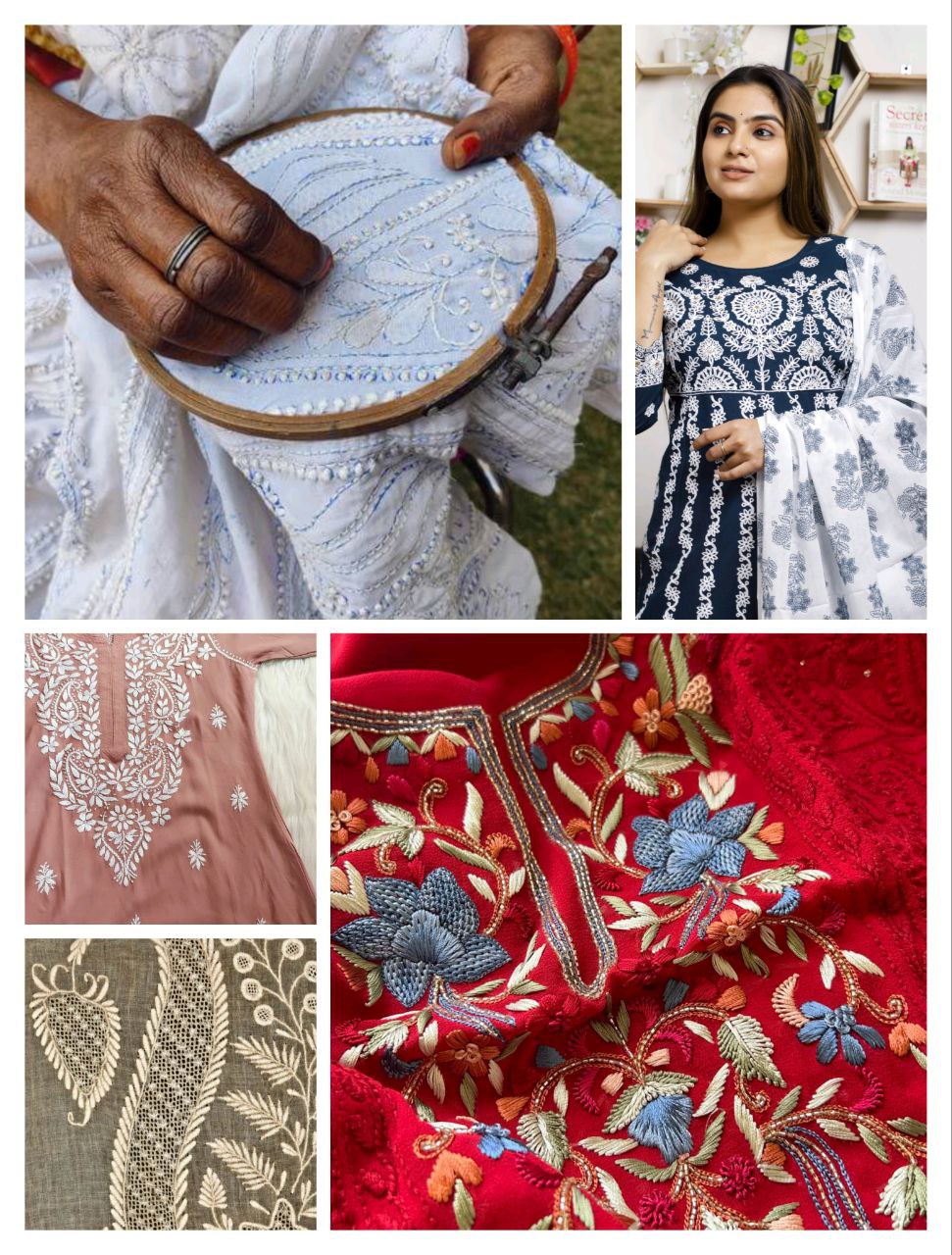
A delicate embroidery style from Lucknow, often done on soft pastel fabrics.
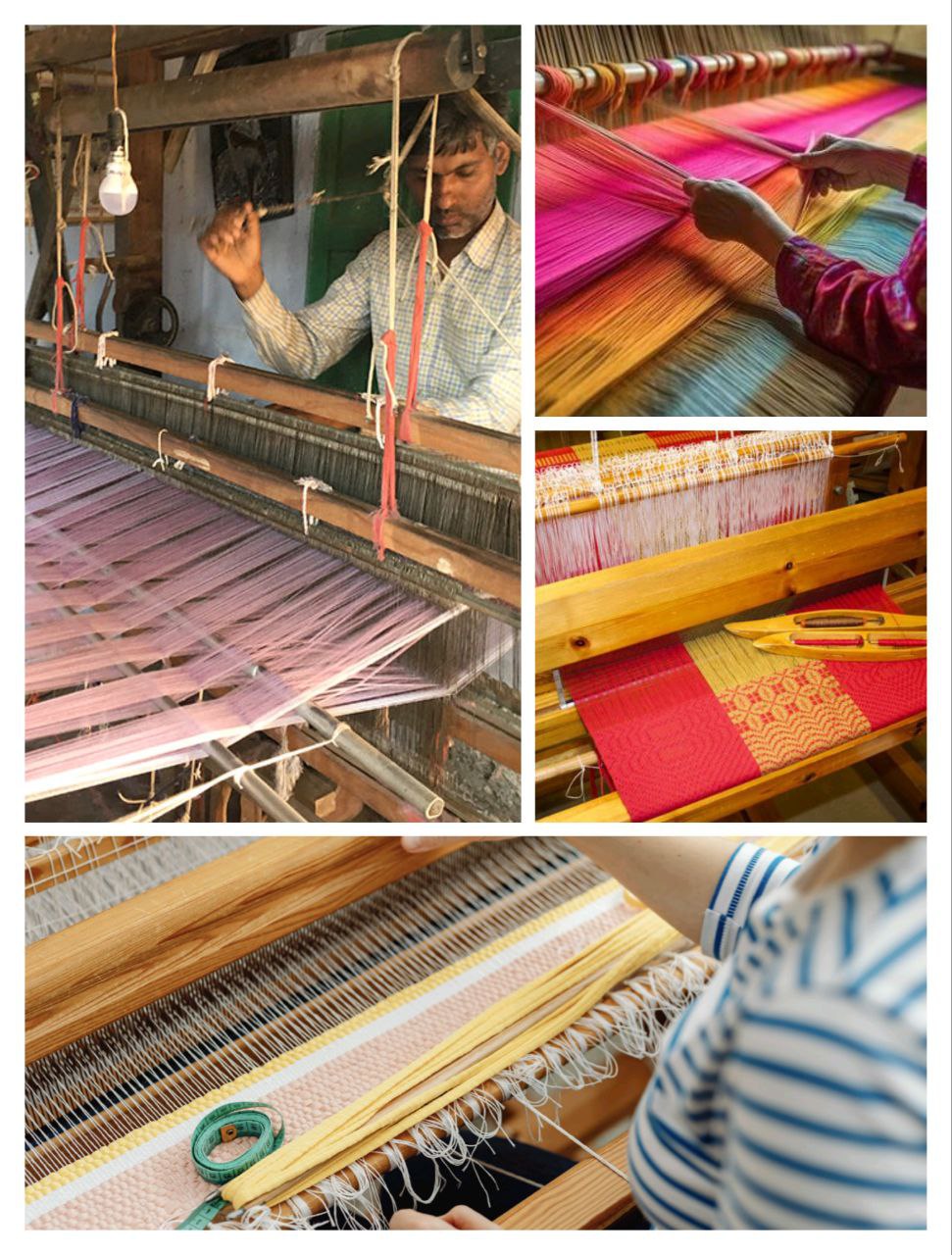
Indian artisans use handlooms to create intricate patterns that machines cannot replicate.
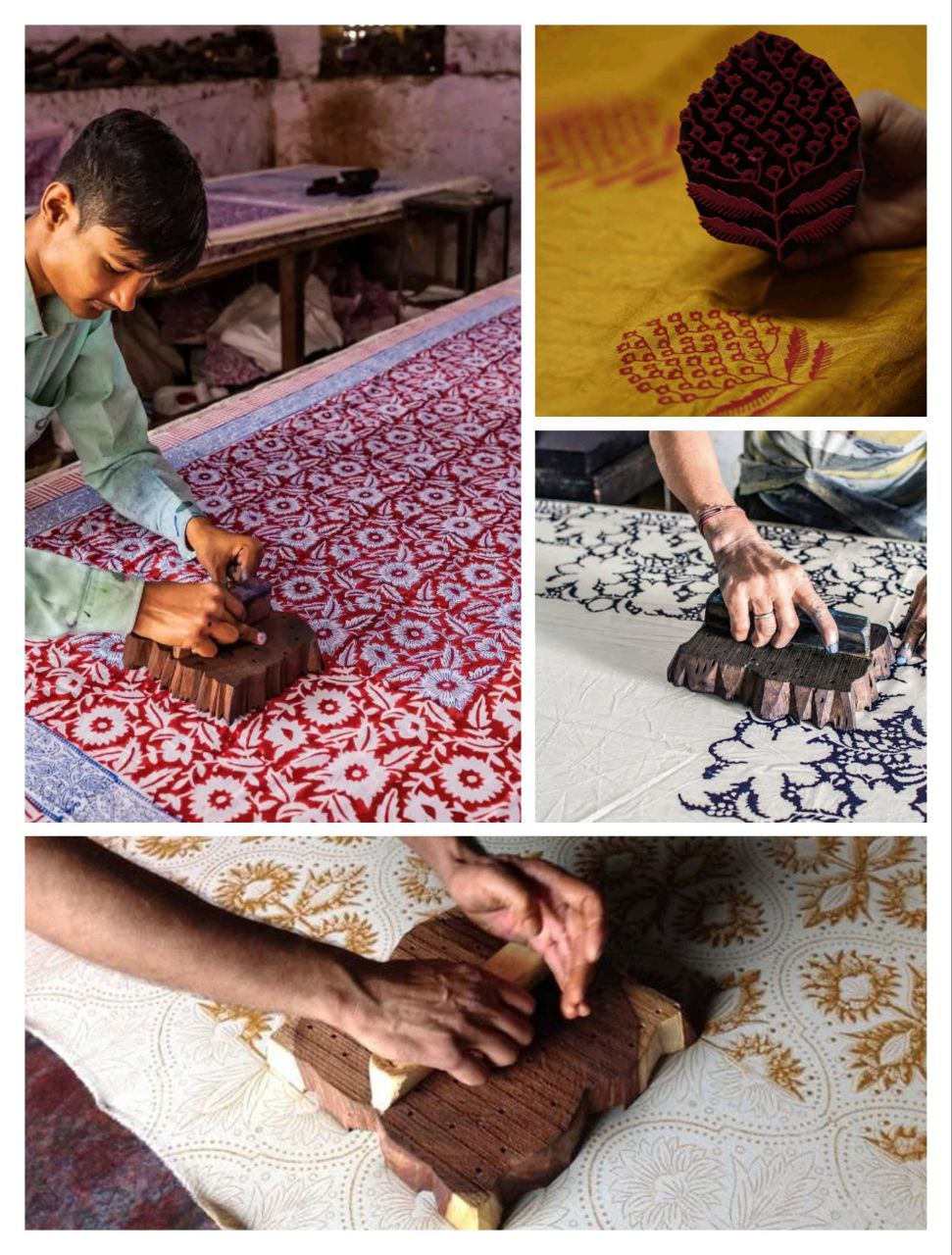
Wooden blocks are dipped in dye and stamped onto fabric, creating symmetrical designs.
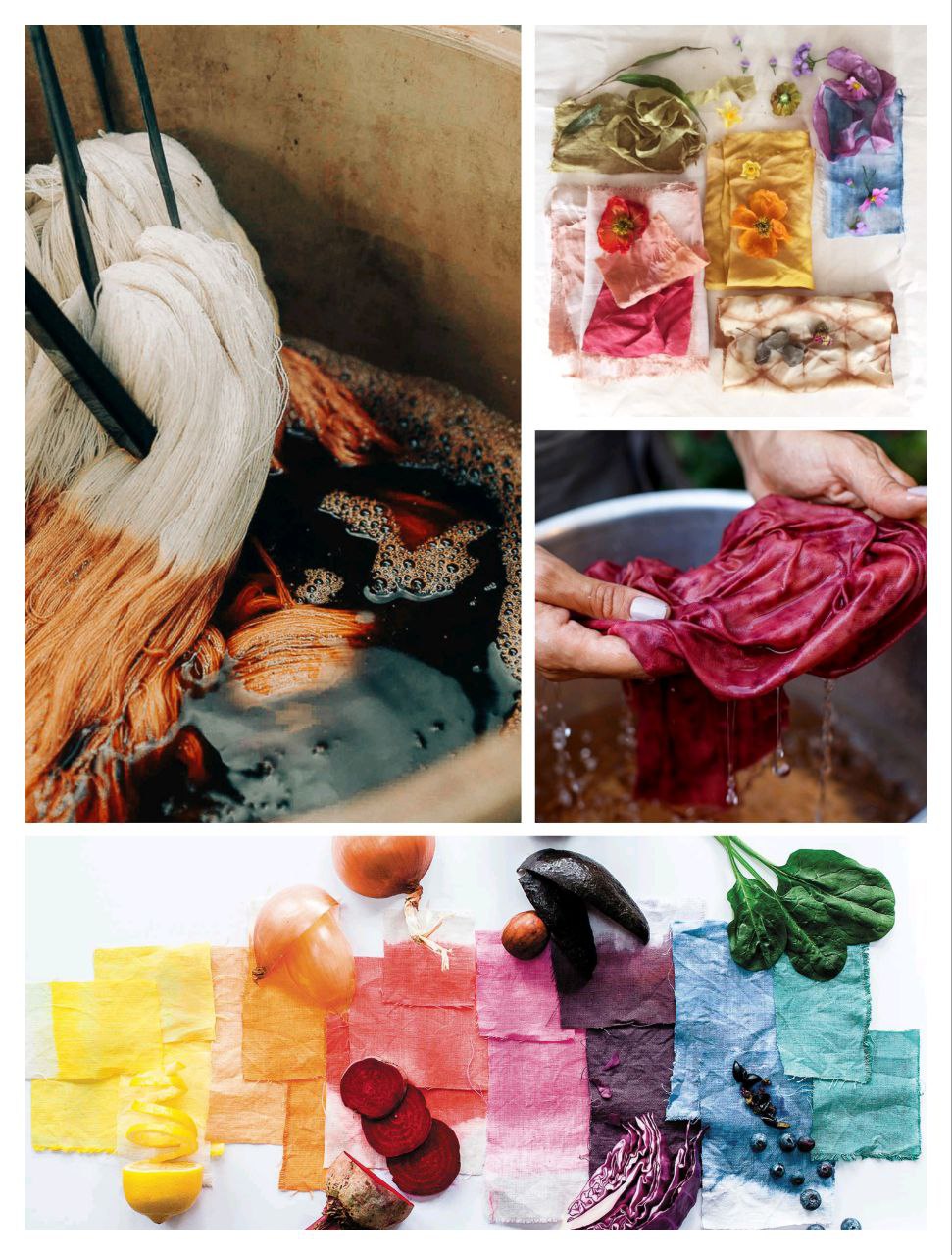
Herbs, flowers, and minerals are used to create eco-friendly natural dyes.
Textiles play a major role in Indian traditions, festivals, weddings, and identity. Each region has its own unique fabric that reflects local heritage.
Most countries in the world have their traditions and culture, but the thing with India is that due to its vastness (it’s basically a sub-continent) there isn’t just 1 cultural background or history, each part of India brings something to the table. From stories to food to people, India is super diverse. One of the most important industries that we have today is the textile industry, and there is a unique textile for each state within this great nation. Today we are going to talk about the various kinds of different fabrics that each state has been producing, and the history and process that goes in to making them. We will mainly concentrate on the sustainable fabrics, since at MPurpled we try and keep our environmental impact as little as possible.
We will start from the very top of the country, where Kashmiris have been producing stunning Pashmina shawls, a tradition handed down from generations. These shawls have gotten pretty famous all around the world, not just in India, and are priced pretty high; especially since the fabric is splendid to the touch. The wool comes from the Capra Hircus mountain goat in the Himalayas. It is quite rare to find original Pashmina now since the demand for the fabric is much greater than the actual supply, resulting in a lot of lower grade wool being passed off as Pashmina.
Next we have the supple kullu shawls from Himachal Pradesh, very well known around the world for their texture and sharp geometric patterns. The fabric is a combination of Merino Wool, Angora Wool and local sheep wool.
Next we move onto the various kinds of silk produced in India. First there is Muga silk from Assam, A.K.A ‘the golden fibre. This silk is hand-washable and seems to get more bright and vibrant with each wash. Then there is Bhagalpuri silk from Bihar. Also commonly known as the silk city, it is the oldest silk producing city in India. The rarest of the silk worms produces Kosa silk, and it is a painfully slow process (2-3 days) done mainly in Chattisgarh. It is considered to be the finest silk in the world. Kuchai silk comes from Jharkhand and Mysore silk comes from Karnataka.Today, Mysore is the largest producer of silk in the world. Eri silk comes from Meghalaya and due to the shortness of the fibres, it is very delicate and the natural dullness makes it quite coveted in the fashion world.
Moving on to Chanderi. It is one of the most iconic fabric to come out of India. This magical ‘woven air’ comes from Madhya Pradesh and is world famous for its lightness and durability. It is embroidered with gold and silver, which used to be adorned by royalty in the olden days. In today’s world, it is a must have in anyone’s closet.
We could go on and on about the various kinds of fabrics and their history and how important they are to the global textile industry. Designers from all over the world come to India to source their material, and to borrow our culture and add their own touches, it’s a process of evolution. We at MPurpled do the same, our fabrics come from sustainable sources in India and we modernize them with western silhouettes and cuts. Although modern, we maintain a slight air of regality that is carried by these luxurious materials.
Let's see how the saree is made.
If you have questions or want to collaborate, feel free to reach out.
Name: Prisha Gunasegaran
Email: gprisha07@gmail.com
Instagram: @_prisha01_
Phone: 019-7272449